
Best Budget Camping Gear for Families Who Are New to This
You don't need to spend $2,000 to have a great first camping trip. Here's the practical gear list that won't break you.
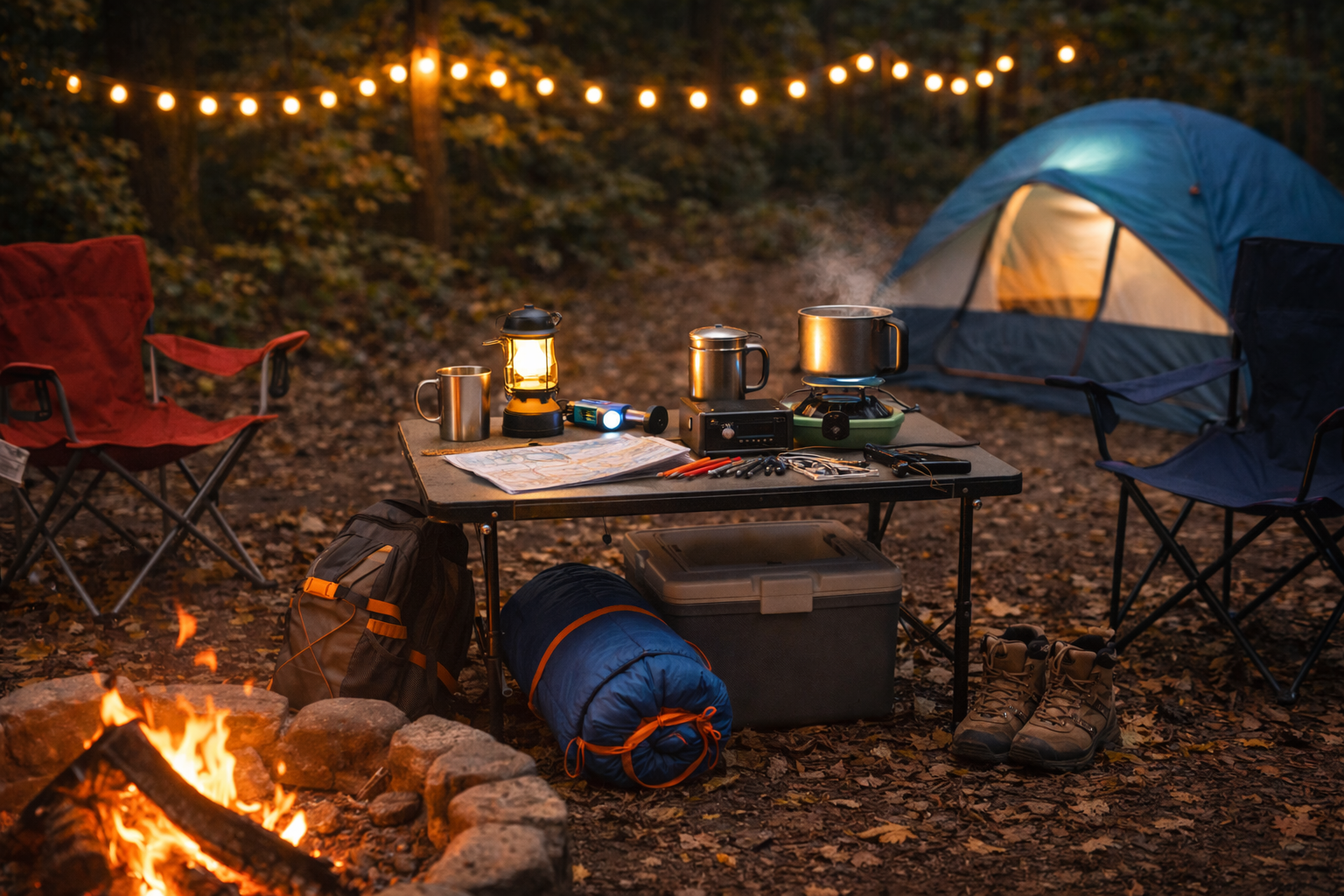
The first time I took my family camping, I stood in the outdoor gear section of a sporting goods store and quietly had a financial crisis. A single sleeping bag was $180. A tent with decent reviews was $350. A camp stove I’d never use more than a weekend a year was $120. The math was adding up fast and we hadn’t even packed yet.
I put most of it back. I bought cheaper versions of everything, borrowed what I could, and we went anyway. The trip was great. My kids didn’t care that the tent cost $80 instead of $300. They cared that there was a fire and s’mores and that they got to sleep somewhere that wasn’t home.
Three seasons later, I’ve replaced exactly two things with higher-end versions. The rest of what we bought that first year still works fine.
Here’s how to kit out a family camping trip without spending like you’re summiting Everest.
The Tent: Bigger Than You Think, Cheaper Than You Fear
For car camping — which is what most family camping actually is — you don’t need a backpacking tent. You’re driving to a campsite and unloading from the trunk. Weight doesn’t matter. Packability doesn’t matter. Space and durability do.
Buy a cabin-style tent, and buy it one size bigger than your headcount. A family of four should get a six-person tent. The extra room accounts for gear, for kids who sleep like they’re trying to escape their bodies, and for the reality that a little breathing room keeps everyone in a better mood when you’re all stuck inside during a rain delay.
Brands like Coleman and Ozark Trail make solid car camping tents in the $60–$100 range. They’re not ultralight, they’re not going to win any gear reviews, but they’ll keep your family dry and they’ll last years with basic care. Don’t overthink this one.
One thing worth spending a few extra dollars on: a footprint or ground cloth that goes under the tent. It extends the life of the floor and keeps moisture from seeping up. A $12 tarp cut to size works perfectly.
Sleeping Bags: Match the Temp, Skip the Hype
The number on a sleeping bag is the lowest temperature at which a “standard adult male” supposedly won’t be cold. That’s not your kid. In practice, buy a bag rated about 10 to 15 degrees lower than the coldest night you expect.
For three-season family camping — spring through fall — a 20°F bag will handle nearly anything. Kids sleep cold and tend to kick covers off, so err on the warmer side for them.
Synthetic fill bags are the right call for families. They’re cheaper than down, they still insulate when damp (which matters with kids), and they’re easier to wash. Save the expensive down bags for when someone in your family gets serious about backpacking.
Rectangular bags are more comfortable for kids who move around. Mummy bags are warmer but feel constricting to a lot of children. Buy rectangular for the kids, and you can go either way for adults.
Decent synthetic bags run $25–$50 each. You do not need to spend $150 on a bag for a kid who’s going to grow out of it in two years.
Sleeping Pads: The Most Underrated Item on This List
Most first-time campers underestimate this and pay for it with their back.
The ground pulls heat out of you all night, and bag insulation is compressed underneath you — which means it’s not doing much. Your sleeping pad is what actually keeps you warm from below. A bad pad on a cold night will beat any sleeping bag.
The good news: foam pads work. A closed-cell foam sleeping pad is $20, weighs nothing, and will last forever. It’s not luxurious, but it does the job. For kids who sleep hard anywhere, foam is totally fine.
If you want more comfort, a self-inflating pad in the $30–$50 range is a meaningful upgrade. It’s warmer, softer, and still reasonably priced. I made this switch after our second trip and slept noticeably better.
If your budget allows one upgrade on this list, it’s the sleeping pad.
Camp Stove and Cooking Setup
A two-burner propane stove is the right tool for family car camping. They run about $40–$60 for a basic Coleman setup, propane canisters are cheap, and you can cook real food on them — eggs, pasta, soup, whatever you’d make at home.
For cookware, you don’t need a dedicated camp cooking set if you have a pot and pan that can handle direct heat. A basic hard-anodized aluminum camp cookset runs around $30 and is lighter than cast iron, durable, and easy to clean. Cast iron is great but it’s heavy and requires more maintenance — skip it for your first few trips.
Other kitchen things worth bringing that nobody puts on lists: a cutting board (a $3 plastic one), a good knife, dish soap and a small basin for washing up, and a trash bag. Camp kitchens get messy fast. The more organized you are, the better everyone eats.
The Cooler: Don’t Underinvest Here
A cheap cooler that can’t hold temperature for more than a day will cost you more in spoiled food and inconvenient grocery runs than a decent one would have.
You don’t need a Yeti. A mid-range rotomolded cooler will hold ice for 3–4 days easily. Brands like Lifetime and Ozark Trail make 45–65 quart coolers in the $80–$120 range that perform far above their price. That’s the sweet spot for a family.
Pre-chill your cooler the night before with a bag of ice. Pack it with the food you’ll use last at the bottom and foods you’ll access first at the top. Keep it in the shade. These habits will stretch your ice further than any cooler upgrade.
Lighting: One Per Person, No Exceptions
Headlamps. Not flashlights. Headlamps.
Everyone needs one, including young kids. This becomes completely obvious at 2am when someone needs to find the bathroom and you’re trying to hold a flashlight with your chin.
A basic headlamp runs $12–$20. Black Diamond and Petzl make reliable ones at the low end. Buy extras — they get lost, the batteries die, and kids love having their own.
For camp lighting, a single lantern does most of the work. A Coleman LED lantern on a medium setting will light a campsite table well and run for 75+ hours on batteries. Budget around $25.
Camp Chairs and a Table
You’ll spend a lot of time sitting around the fire or the picnic table, and camp chairs are worth it. Basic folding camp chairs run $15–$25 each. They’re all essentially the same at this price point. Get one per person.
If your campsite doesn’t have a picnic table (many do), a simple folding camp table in the $30–$40 range keeps things organized. It also gives kids a surface to eat on and play cards on, which matters more than you’d think when you’re trying to keep the campsite from becoming chaos.
First Aid and the Boring-But-Critical Stuff
Get a basic first aid kit before your first trip. A pre-assembled one runs $20 and covers the real camping injuries: blisters, cuts, splinters, bug bites, minor burns. Add children’s pain reliever, any prescription medication, and allergy medicine for good measure.
Also: bug spray, sunscreen, and a small roll of duct tape. The duct tape is for everything — gear repairs, tent pole fixes, the inevitable blister that needs padding. If you bring only one multi-tool, make it duct tape.
What to Skip Entirely
- Fancy camp furniture, hammocks, or gear you saw in a gear influencer video. None of it is necessary.
- A generator. State park campgrounds have quiet hours. Your neighbors will remember you.
- A camp shower for your first trip. You’re camping for a weekend. Everyone survives.
- Matching gear sets. Your cobbled-together mix of borrowed, thrifted, and budget-bought gear will work just fine.
The Actual Budget
Here’s a rough tally for a family of four, buying everything new at the low end:
- 6-person tent: $80
- 4 sleeping bags: $140
- 4 sleeping pads (foam): $80
- Camp stove + fuel: $50
- Cook set: $30
- Cooler: $90
- Headlamps (4): $60
- Lantern: $25
- Camp chairs (4): $80
- First aid kit: $20
- Misc (tarp, cutting board, dish stuff): $30
Total: roughly $685
That’s the high end of buying everything brand new at budget prices. You can cut that significantly by borrowing, buying secondhand (Facebook Marketplace is excellent for camping gear), or skipping items your campsite provides.
And here’s the thing: most of this gear will last 5–10 years with normal care. The per-trip cost after your first year gets very low, very fast.
Start, Then Improve
The best gear decision you can make is to go with what you have and figure out what’s missing. After your first trip, you’ll know exactly what bothered you — and that’s the thing to upgrade next time.
What you won’t know until you go is how much your kids will love it. How they’ll talk about the campfire for weeks. How the trip that felt like a logistical mountain to plan will end with someone asking when you’re going again before you’re even home.
The gear is just how you get there. Don’t let it be the reason you don’t.
Written by
Chris Bysocki
Dad of two (a 6-year-old daughter and a 3-year-old son), homeowner, and guy who learns most things the hard way. Writing about parenting, tools, yard work, and gear from a neighborhood in the real world.
More in this category
Ask Chris
Got a question about this topic — or anything dad-related? Send it over. I read every one.